Diverse and Heritage Grains field lab learning network
The diverse and heritage grains learning network is a space to bring together those interested in the role of diverse and heritage cultivars in organic and low input farming systems. It will bring together experiences, ideas and practical advice from across the UK via UK Grain Lab, associated regional groups and a series of online and on farm events.
The network is coordinated by Charlotte Bickler at UK Grain Lab and integrates on-farm trials exploring the differences between diverse, heritage and modern pure-line winter wheats. The research is embedded in practice as these trials will enable selection of the preferred cultivars which the UK Grain Lab network will support the market uptake of.
For more information or to join the network contact:
Group Coordinator Charlotte Bickler: charlotte@ukgrainlab.com
Background
Modern wheat breeding has prioritised yield and uniformity, potentially compromising other important traits, such as grain nutrition, weed competitiveness, and plant–microbe interactions. Cultivars which were developed pre-green revolution often contain characteristics which lend them to less chemically intensive growing environments. Furthermore, modern breeding continues to select lines which perform best in the dominant high-input high-output market, leaving little market opportunity for material which optimises other traits such as flavour, nutrition or ability to tolerate weeds.
The field lab trials
The mechanisms by which heritage grains may confer improved nutritional quality are not fully understood with a yield dilution effect commonly cited. However, there is also an indication that important characteristics have been lost via modern plant breeding being focussed on delivering varieties for a narrower, input-controlled, environment. As we learn more about the soil microbiome, it has become increasingly apparent that microbial communities work integrally with plants to enable nutrient absorption and synthesis.
The field lab research at the centre of this learning network is investigating whether the heritage winter wheats, Old Kent Red and Old Kent Hoary are better able to recruit beneficial soil microbial communities relative to modern cultivars on an organic farm and a low input farm in Kent. Molecular screening of the root rhizosphere will provide a comprehensive assessment of the differences between these varieties and modern controls. Correlation with soil tests and grain micronutrients composition will also be examined.
In Yorkshire, 33 different cultivars were screened in a plot trial with a sub-sample having their root rhizosphere sequenced. The focus of this trial is to determine cultivars which deliver reliable yields and desired qualities for the UK Grain Lab baking community and explore novel approaches to share risk and ownership as we bring both the seed and grain to field-scale volumes.
We are keen to include a wider network of farmers in future trials through engagement with the network. Please get in touch with the coordinator or attend a webinar to share your ideas.
We're grateful to the Rothschild Foundation for funding this learning network.
Trial Updates - October 2026
The trials have now reached harvest, with grain and data samples moving into the analysis phase.
In Yorkshire, plots were harvested successfully during the 2025/26 season despite some mechanical challenges with the plot combine. Grain samples have been cleaned and weighed to assess yields. Protein content has been measured and samples stored for nutrient testing.

In Kent, agronomic and yield data have been collected and preliminary analysis completed. Early findings from the molecular analysis of the root-associated microbiome. comparing heritage cultivars (KOH and OKR) with modern cultivars (Nelson and Vibe) at one site, identified differences in the fungal communities associated with each group. Grain samples have also been prepared for quality and nutrient analysis.
On farm event: Growing Grains: Farm, Health and Local Food Networks
In the autumn it was the turn of the Yorkshire Grain Alliance to host a Learning Network event and this happened at Fraser Farms in Denby Dale. In the morning the group was welcomed to the farm and the regenerative and organic farming practices that are adopted at the farm were introduced before a farm walk. The highlight of the tour was visiting the farm's new grain cleaning and handling facility and unpicking how infrastructure can help support routes to market for local, diverse and organic grains.
The group were fed well and spent the afternoon examining how we build a fair and resilient local food system that supports the use of diverse and heritage grains. This included a presentation by Hannah Fraser to share the results of her Nuffield Scholarship which questioned how UK farmers can be rewarded for practices that promote nutrient density. See: https://www.nuffieldscholar.org/reports/gb/2025/displacing-empty-calories-nutrient-dense-food-how-can-uk-farmers-be-rewarded.
Attendees were galvanised by the discussion and the event brought together farmers, millers, bakers, researchers, food producers and more that were both old and new to the Yorkshire Grain Alliance. Members of the group are now working together to determine when they will meet again and how they will support the uptake of seed and grain from the Yorkshire trials.


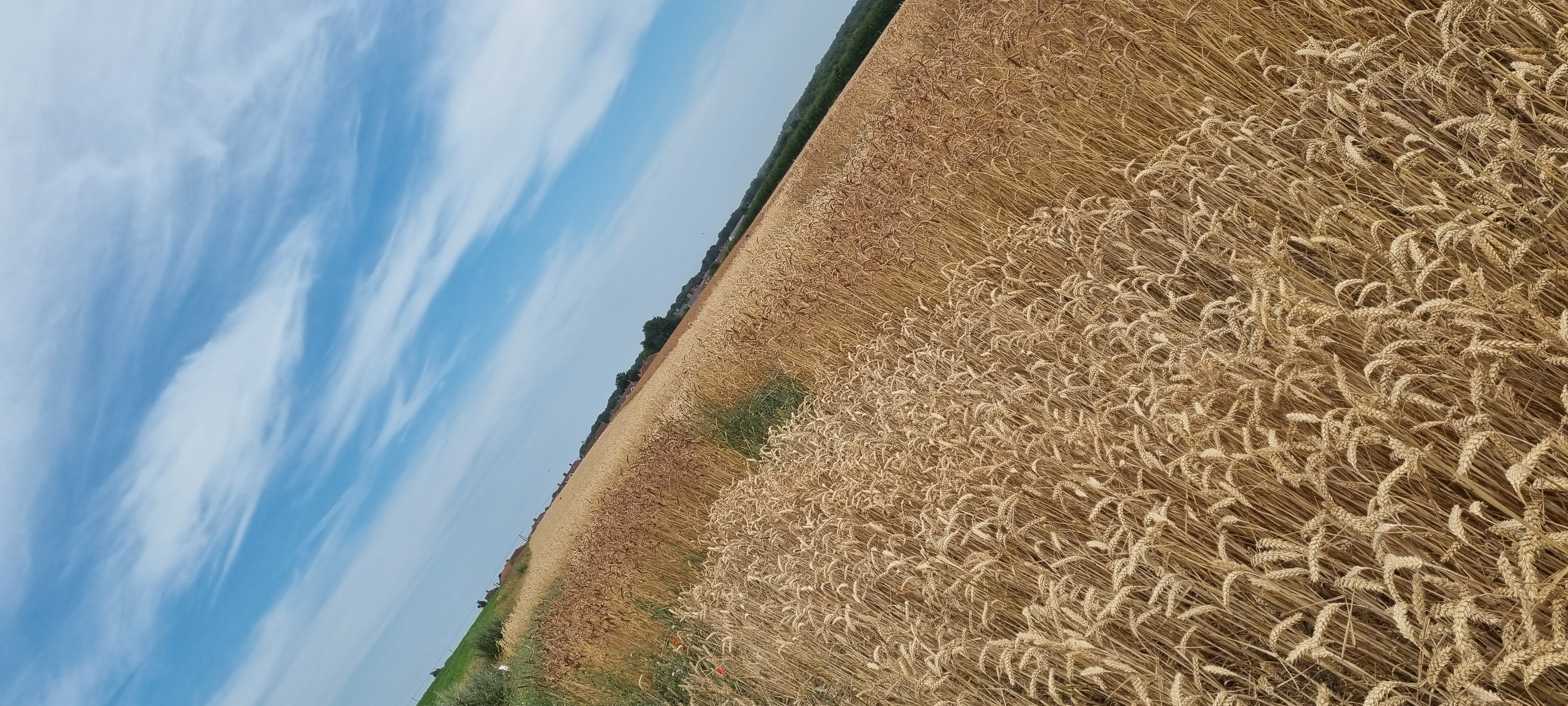
Harvest about to take place for the heritage grains trial plots.
East Anglian Grain Alliance event
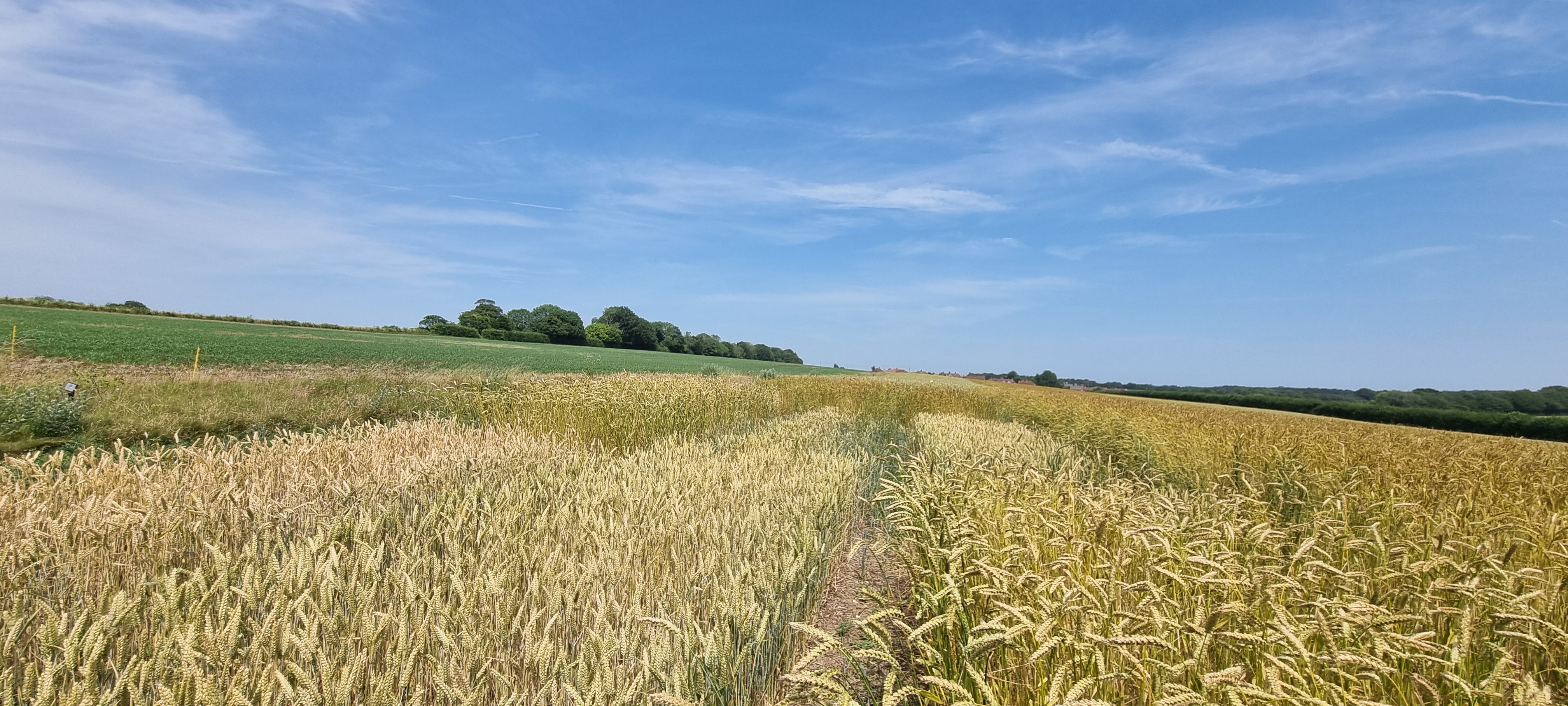
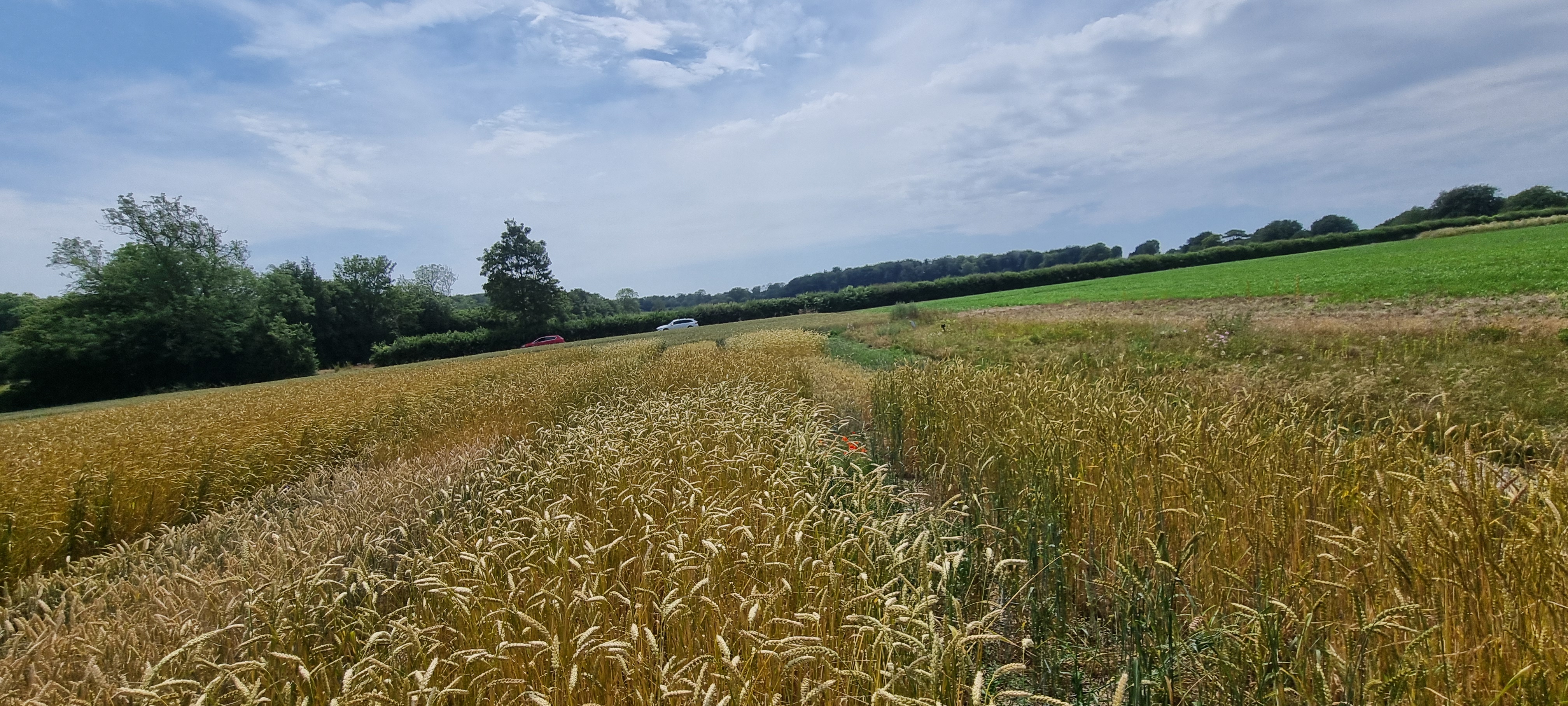
This summer, with support from Innovative Farmers, the East Anglian Grain Alliance (EAGA) hosted a Learning Network event at Duchess Farms in Hertfordshire. As interest in resilient, regionally adapted grain varieties continues to grow, we learned about the work of seed champion Andrew Forbes, and explored ideas around rebuilding resilient grain systems 'from the seed up.'
The farm is also home to Gilchesters Organics, which mills grain and supplies flour to bakeries across the UK. Farmers, bakers, researchers, educators (and pasta makers!) were given a tour of the mill and the farmer-led research trials, during which practical discussions, shared learning and conversations took place about the future of heritage grains in the UK,
The event was a valuable opportunity to connect with others working to strengthen grain diversity and seed independence across the food system, and demonstrate how independent seed research can help develop diverse, locally adapted grain varieties that work for both people and planet.
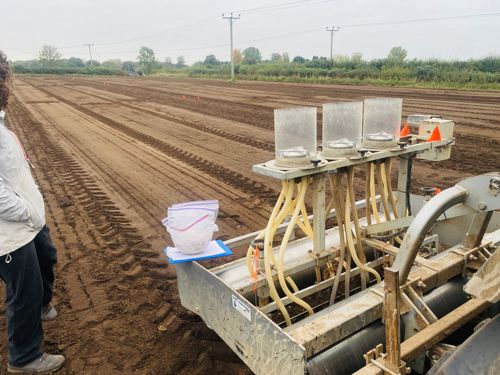
Trial plots drilled
Feb-Aug 2025
Finalise experimental design, common cultivators between trial sites and distribute seed.
Sept 2025
Prepare seed and establish protocols for crop assessments and soil/rhizosphere sampling. Hold an introductory field lab meeting with participating farmers and researchers.
Oct 2025
Drill field trials Document initial soil conditions for baseline microbiome and carbon data.
Nov-Dec 2025
Monitor early establishment: Assess emergence rates, initial growth, and overwintering conditions. Conduct first open farm walk to discuss trial expectations.
Jan-Feb 2026
Monitor winter survival and root development. Assess potential effects of frost or waterlogging. Maintain farmer-led observations.
March-April 2026
Early-season growth monitoring: Assess tillering, weed suppression, and biodiversity interactions. Conduct second farm walk and knowledge exchange event focused on field observations.
May-June 2026
Mid-season assessments: Monitor canopy development, beneficial insects, disease resistance, and soil microbiome shifts. Farmers provide feedback on management practicality.
July-Aug 2026
Harvest phase: Collect yield data, assess grain quality (protein, test weight), and conduct post-harvest soil carbon and microbiome sampling. Host third farm walk focused on preliminary findings.
Sept-Oct 2026
Process grain for milling and baking trials to evaluate flour quality and bread taste. Run farmer-led sensory testing to gauge real-world applicability.
Nov-Dec 2026
Data analysis: Compare yield, grain quality, biodiversity, and soil health metrics. Prepare findings for dissemination.
Dec 2026
Winter webinar to share findings so far.
Jan 2027
Final knowledge exchange event with farmers, millers, and researchers to discuss results and practical takeaways.
Feb 2027
Submit final field lab report with conclusions and recommendations for future trials.
Group Coordinator

Charlotte Bickler
UK Grain Lab
Charlotte is a freelance researcher and programme coordinator with a decade of experience at the Organic Research Centre, focusing on organic arable crops and building communities of practice. Her background includes facilitating farmer-led research, knowledge exchange, and managing practitioner networks.
Currently coordinating UK Grain Lab (CIC) and leading its seed systems work, she oversees participatory action research, seed development pipelines, regional network integration, and local and national event delivery. In Yorkshire, she has established field trials and product development initiatives alongside the Yorkshire Grain Alliance.
Charlotte coordinates online and in-person peer-to-peer learning and organises and facilitates strategic meetings as well as delivering practical workshops. Trained in inclusive engagement tools, her approach fosters camaraderie and long-term stakeholder collaboration beyond individual project lifespans.
Downloadable Reports
No downloads available.Press articles and blogs

Diverse and Heritage Grains - learning network update and trial results

Next Steps in Building a New Cereal Seed System: Recording of the ORFC 2025 workshop

Growing Grains: Farm, Health and Local Food Networks - 9th October
